
1. What Makes a “Limited‑Edition Resin Statue”
A “limited‑edition resin statue” isn’t just a regular figure on sale — it’s a collectible item defined by several factors:
- Small production runs: often only a few hundred to a few thousand units are produced worldwide, rather than mass‑produced plastic figures with unlimited re‑runs.
- High‑quality materials and craftsmanship: such statues are cast from premium synthetic resin, then individually hand‑finished — cured, sanded, cleaned, hand‑painted or hand‑shaded — instead of mass‑injected PVC.
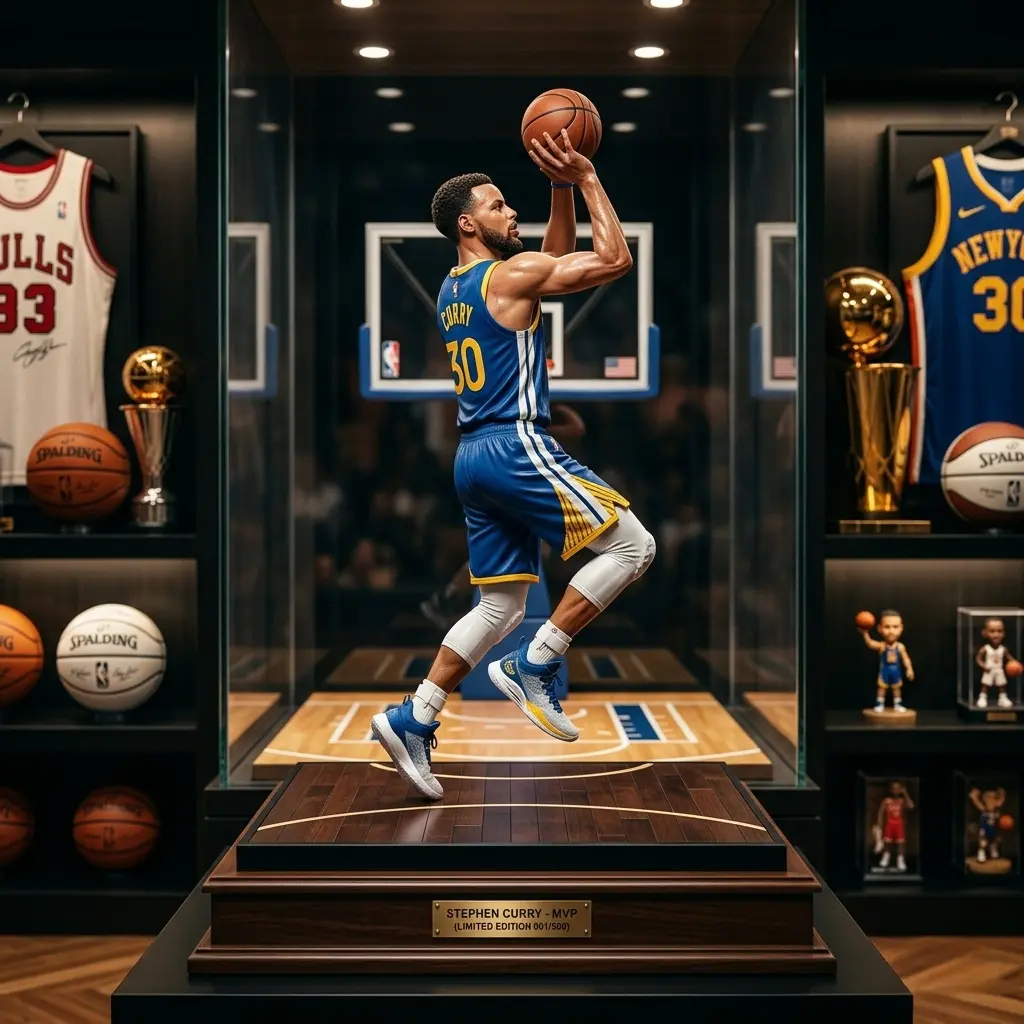
- Authenticity, licensing, and documentation: many collectible resin statues come with numbering, certificates of authenticity (COA), base‑plate markings or other provenance indicators — which underline their limited edition status and official production credentials.
- No re‑runs / reissues (in many cases): once the limited batch sells out, it often will not be produced again, making existing units finite. This supply cap combined with demand gives the statue potential long‑term rarity.
Because of these combined characteristics — quality, scarcity, and documentation — limited‑edition resin statues occupy a different category than mass‑produced PVC figures. They are not just merchandise; they are more like collectible art‑pieces or limited artworks.
2. Craftsmanship & Material — Why Resin Builds Value Through Quality
🛠️ Superior Sculpting, Detail & Finish
Resin’s physical properties and hand‑casting process enable sculptors to realize much finer details than with PVC or cheaper mass‑produced plastics. Intricate hair strands, realistic cloth folds, texture on armor or clothing, dynamic poses, subtle facial expressions — these details can be faithfully preserved in resin. PVC production often cannot replicate such refined sculpt or texture because of mold limitations.
Moreover, because resin parts are often handled individually — cast, cleaned, sanded, primed — each final statue can differ slightly, giving a “hand‑crafted / art‑piece” feeling instead of a mass‑standardized result. Many collectors describe resin statues as more akin to “miniature sculptures” or “artwork” rather than toys.
🖌️ Painting & Finish Quality — Often Hand‑Painted or Artist‑Level Work
Limited‑edition resin statues often include hand‑painted details, shading, weathering, paint gradients, metallic finishes or subtle color depth — effects difficult to produce in mass‑spray‑paint PVC figures. This painting craftsmanship enhances realism and aesthetic value, which — combined with detailed sculpt — creates a collectible item that appeals to serious collectors and display enthusiasts.
Because of these craftsmanship and finish advantages, resin statues tend to “feel premium” — heavy in hand, visually rich, striking under display lighting — giving buyers the impression of owning art rather than just a toy. That aesthetic and tactile quality plays a big role in value perception and long‑term collectible appeal.
3. Scarcity, Licensing & Demand — How Market Dynamics Sustain or Increase Value
📦 Limited Supply + Genuine Demand = Collectible Value
When a resin statue is limited to a few hundred units — and especially if tied to popular IPs (anime, games, films) — the imbalance between supply and collector demand can drive resale prices up over time. As production is closed after sell‑out, the only source of remaining units becomes secondary market — making well‑preserved units rarer, more desirable.
If the character or franchise maintains popularity (or regains popularity), demand can rise again even years later, lifting the value of units in good condition. Collectors value limited‑edition resin statues as long‑term investments — combining emotional affinity, rarity, and collectible value into one.
✅ Licensing, Authenticity & Official Production Matter
Statues that are officially licensed, have certificates of authenticity, clear provenance, or are produced by reputable studios/factories tend to maintain or increase value much better than unlicensed boot‑legs or unauthorized recasts. Licensing gives legal legitimacy, increases collector trust, and reduces risk — which in turn helps sustain or boost resale value over time.
Collectors generally treat licensed, numbered, documented resin statues as “collectible art,” while bootlegs or unverified resin figures — even if visually similar — often fail to hold value due to risks, lower quality, and poor resale confidence.
📈 Secondary Market & Long‑Term Collectible Performance
The collectible nature of limited‑edition resin statues means many see them as long‑term collectible assets or investments, not just decorations. Over time, as some units are lost, damaged or kept in private collections, the supply of “mint‑in‑box” or “excellent‑condition” statues shrinks, while demand — especially among serious collectors — remains or grows — pushing resale prices up.
Because of that dynamic, some resin statues originally sold at “high‑end price tags” end up reselling at a premium — the rarity, combined with craftsmanship and demand, turns them into sought‑after collectibles rather than disposable figures.
4. What Collectors / Buyers Should Check to Preserve Resin Value
- Edition size & authenticity documentation: limited‑run statues with numbering, COA, or signature tend to hold value much better than unmarked ones.
- Quality of sculpt & finish: inspect sculpt detail, paint quality, casting cleanliness, absence of bubbles or defects; poor-quality resin/paint will negatively impact value.
- Condition & preservation environment: keep in a stable display cabinet, avoid direct sunlight, moisture, dust, bumps or frequent transport; proper storage and minimal handling help preserve mint condition.
- Licensing / legitimacy / brand / studio reputation: buy from reputable studios or official licensors to avoid bootlegs/unlicensed products, which are risky and devalue quickly.
- Demand & popularity of the character / IP / franchise: pieces tied to popular or evergreen IPs often hold or grow in value better than obscure or short‑lived ones.
- Original packaging, paperwork, base plates: keeping the original box, COA, base plate, and all accessories intact significantly improves resale value vs “loose statue only.”
5. Conclusion — Resin Statues: Art, Collectibles, and Potential Investment
Limited‑edition resin statues occupy a unique niche: they merge artistic craftsmanship, collectible scarcity, and fan culture appeal. When done well — with quality resin, hand‑sculpted detail, official licensing, limited runs, and proper care — they offer more than decoration: they become collector’s items, statement pieces, and potentially appreciating assets.
For serious collectors, fans with emotional attachment, or those who see figures as long‑term investments or display art — limited‑edition resin statues are often worth the premium. However, it requires care, awareness, and proper collecting habits.
If you treat resin statues with respect — preserving them carefully, buying wisely, verifying authenticity, and choosing limited/official editions — they can be far more than toys. They can become valued collectibles, long‑term assets, and pieces of cultural memory.